A Financial Revolution

Declaring independence is more than just making a statement or even winning a war. It means becoming financially independent: having a stable national currency, accountable government spending and fair rules for people and companies to do business.

Though the basics of “modern” finance had been developed since the 1600s, Alexander Hamilton was the first to put all of the pieces together and build a new plan for a new nation. It was a financial revolution.

A Financial Revolution
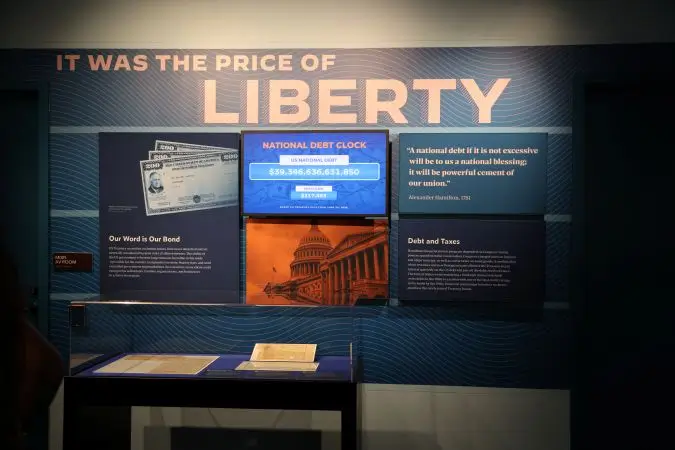
  • Rendering of the entrance to “A Financial Revolution” exhibit. Rendering of the entrance to “A Financial Revolution” exhibit.
  • This exhibit will feature a live national debt clock, broken down per US citizen. This exhibit will feature a live national debt clock, broken down per US citizen.

Guest Curators

Richard Sylla is a professor emeritus of Economics at NYU Stern School of Business and one of the foremost financial historians in the United States. He has spent decades studying Hamilton's economic vision and its lasting influence on American and global finance. He is a trustee and former board chair of the Museum of American Finance.

Mark J. Higgins, CFA is the author of Investing in US Financial History and a leading authority on American capital markets. His work applies financial history to improve decision making in the present. It draws on three centuries of market cycles, from Hamilton’s founding vision to the complexities of today’s evolving investment landscape.


What to Expect

Founding Financial Documents

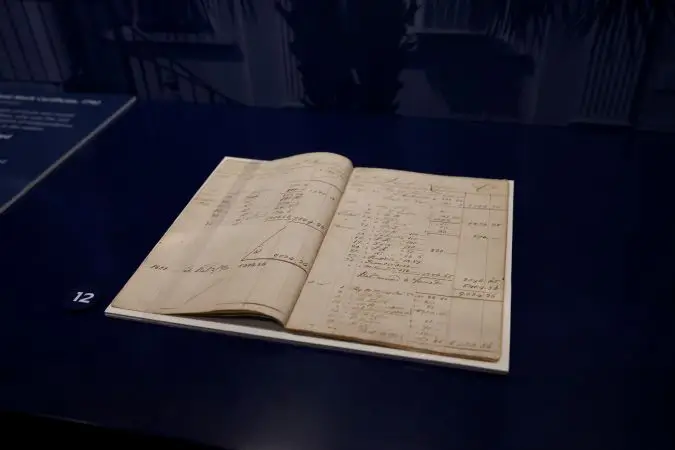
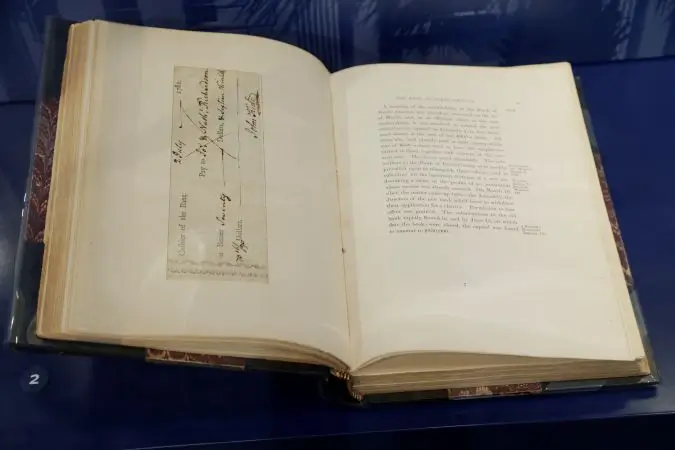
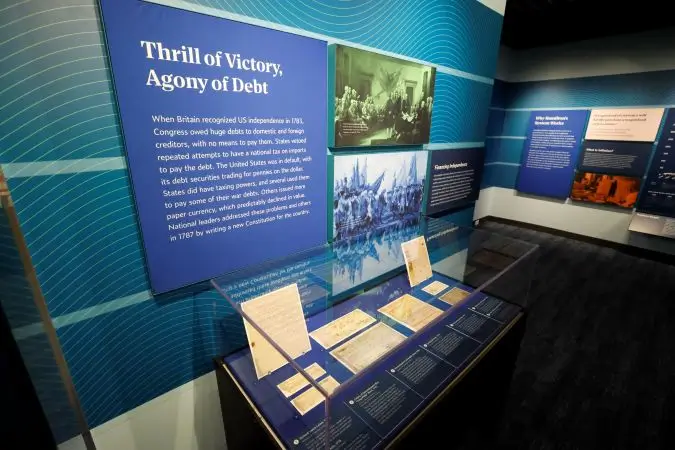
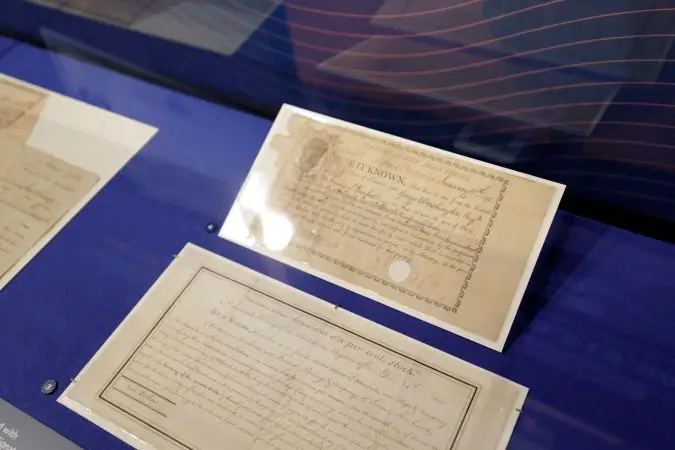
The largest of the Museum’s exhibits, “A Financial Revolution” brings the origins of the US capital markets to life. It features hundreds of documents and objects from the Museum’s world-class 18th century collection, many of which have never been on public display.

The Financial System and You

Understanding Hamilton’s financial system, largely unchanged today, is important for individuals to achieve their financial goals—by learning their role in the system to make the most of it, and also by learning from its financial principles of budgeting, saving, investing and managing debt and risk.

History of the National Debt

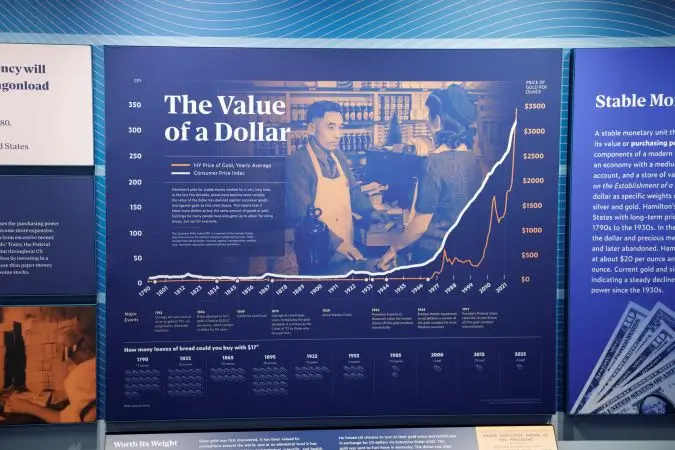
Upon creating the national debt, Alexander Hamilton famously said, “A national debt if it is not excessive will be to us a national blessing.” Explore the history of the US national debt, which has by any measure become "excessive" at more than $39 trillion today.