Objects

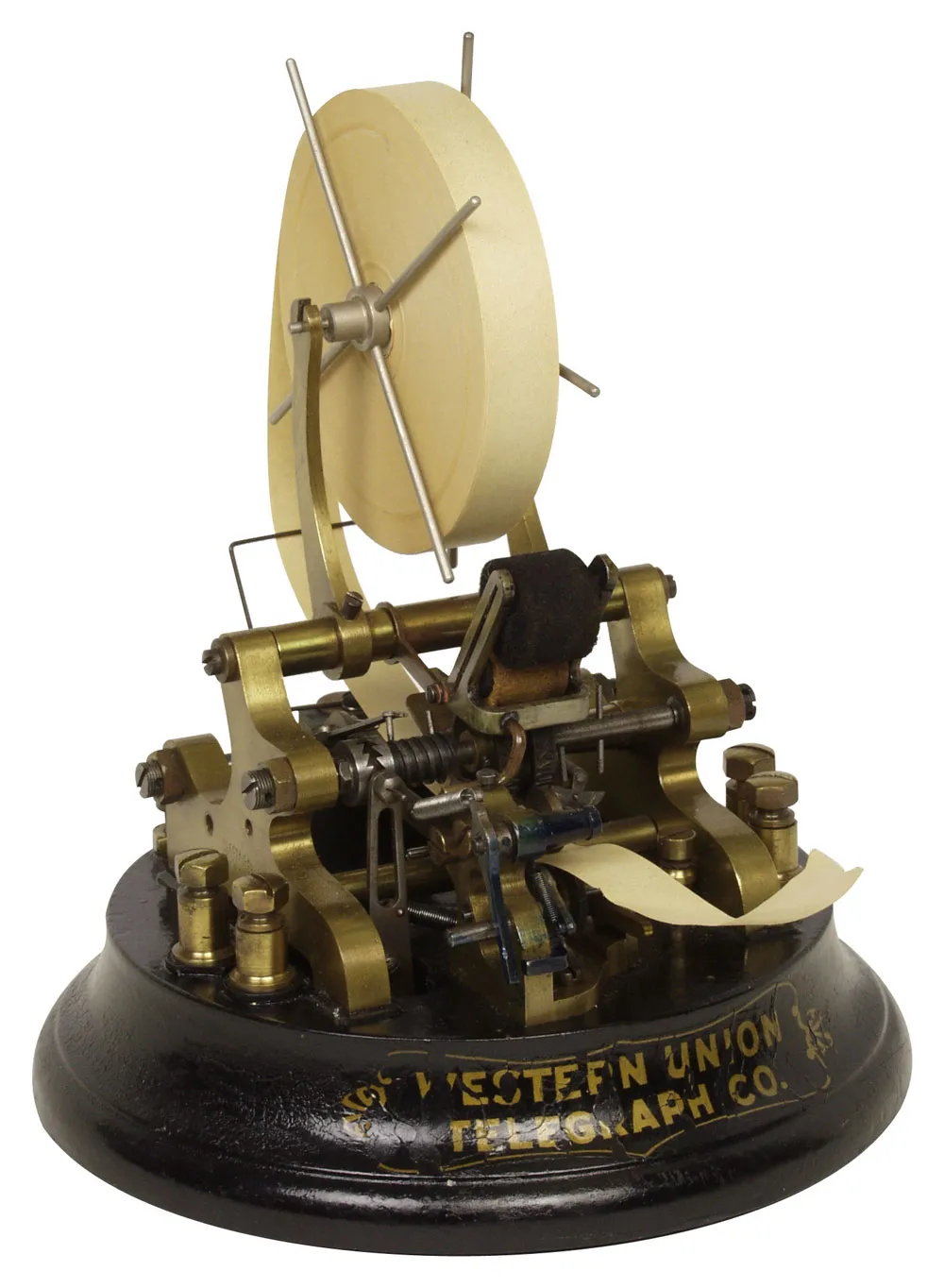
The objects in the Museum’s collection range from machinery and equipment used in trading and banking to more whimsical items, such as financially-themed board games and Wall Street memorabilia. Highlights include a stock ticker from 1897, ticker tape from the morning of October 29, 1929 and historic cash registers from the National Cash Register Company.

For additional images, please visit our Flickr page.
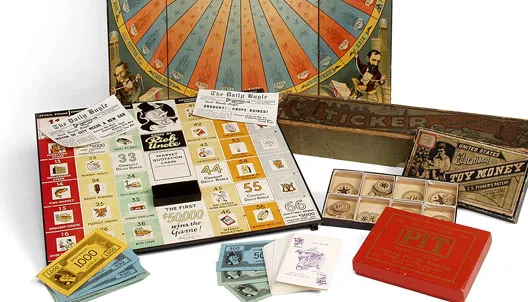
Games: The Museum’s collection includes a variety of finance-themed board games from the 19th through 21st centuries including Pitt, Messenger Boy and Rich Uncle. Games: The Museum’s collection includes a variety of finance-themed board games from the 19th through 21st centuries including Pitt, Messenger Boy and Rich Uncle.
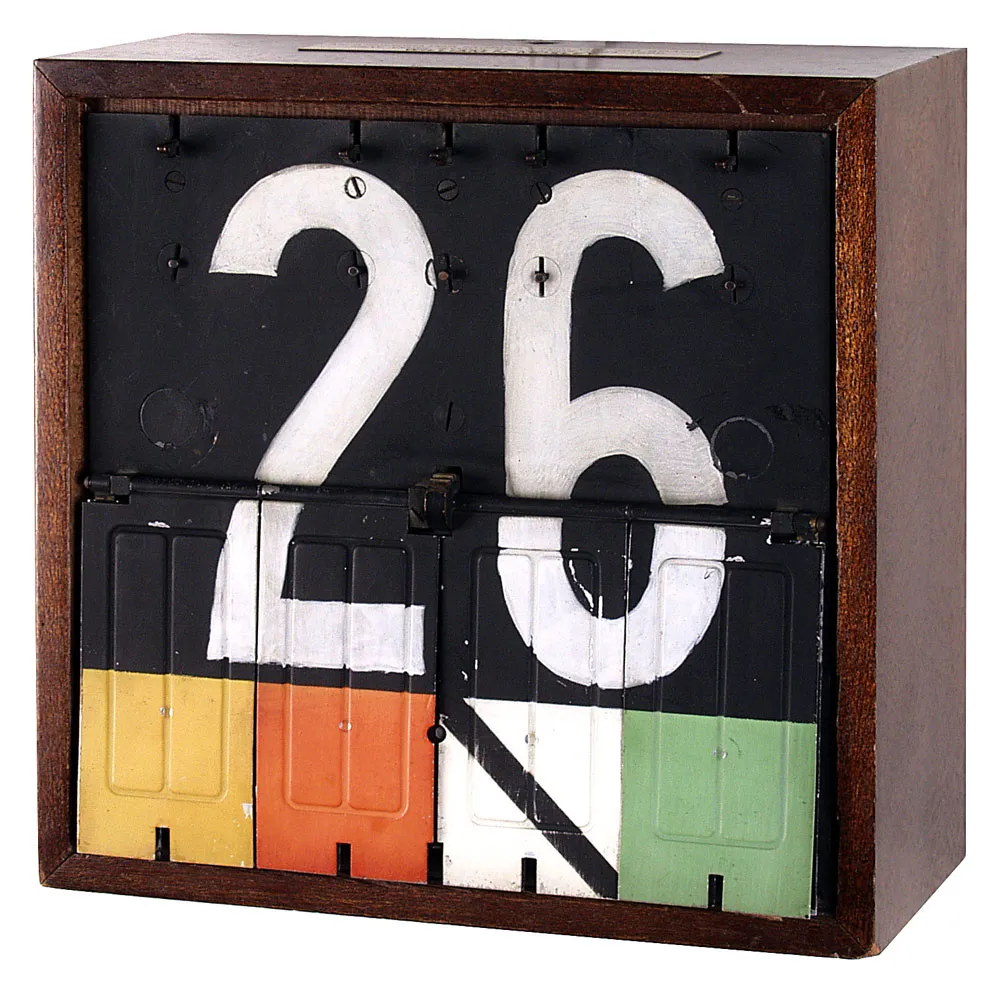
Annunciator number from the New York Stock Exchange (NYSE).  Annunciators signaled brokers, identified by number, to a specific booth on the NYSE floor.
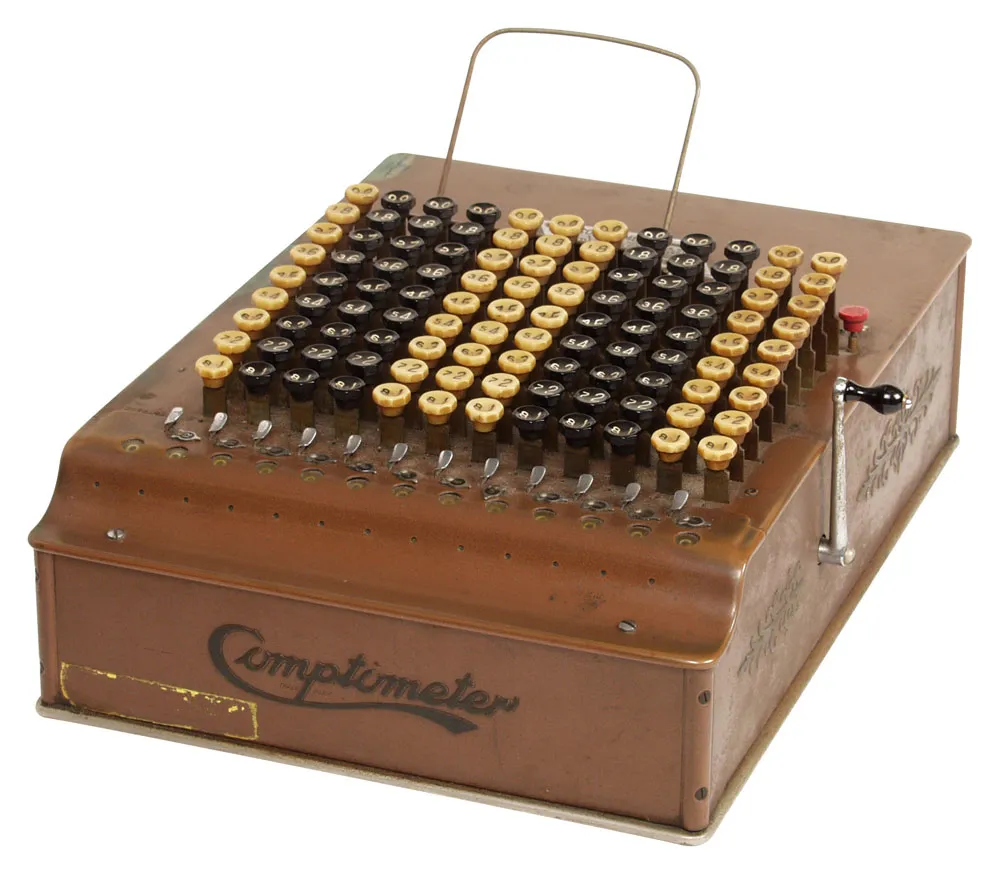
Comptometer, circa 1920.  The comptometer was an early mechanical calculator that primarily functioned as an adding machine and was used in business offices for nearly a century (1880s-1970s).
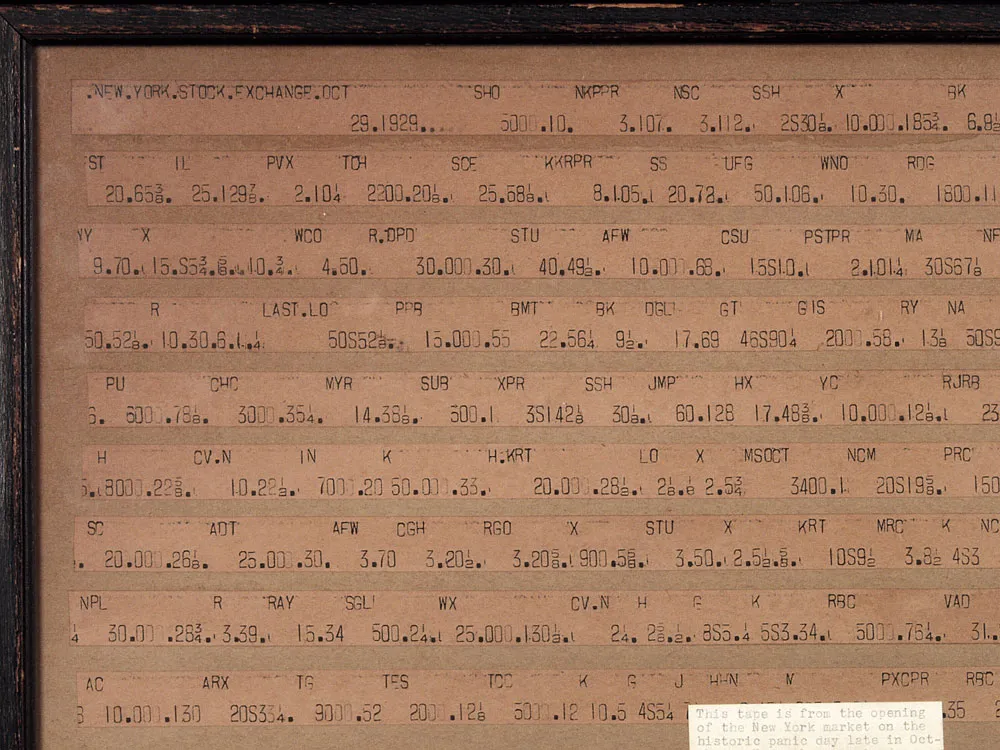
The Museum’s collection includes two examples of ticker tape from the Crash of 1929. This length of tape shows the NYSE opening prices on October 29, 1929 and approximately the first 45 minutes of trading.
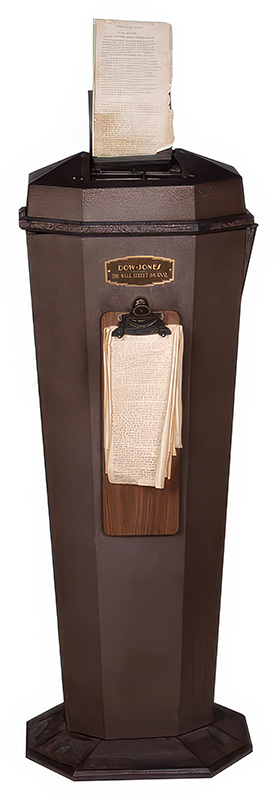
Broad tape machine from the Dow Jones News Company, circa 1950.  These machines were used to transmit stock prices and business news into the 1990s, when they were replaced by the Internet.
Edison Universal stock ticker circa 1897, which was used through the Crash of 1929.  Tickers transmitted nearly real-time financial information, thereby allowing investors to buy and sell shares without being close to an Exchange.
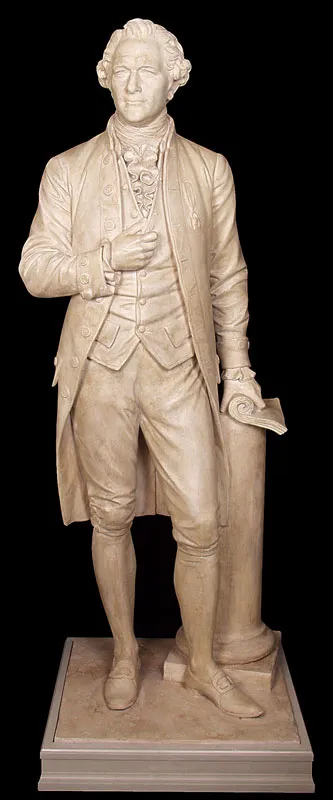
Plaster statue of Alexander Hamilton by Carl Conrads (1880) commissioned by Hamilton’s son, John C., as a gift to the city of New York.
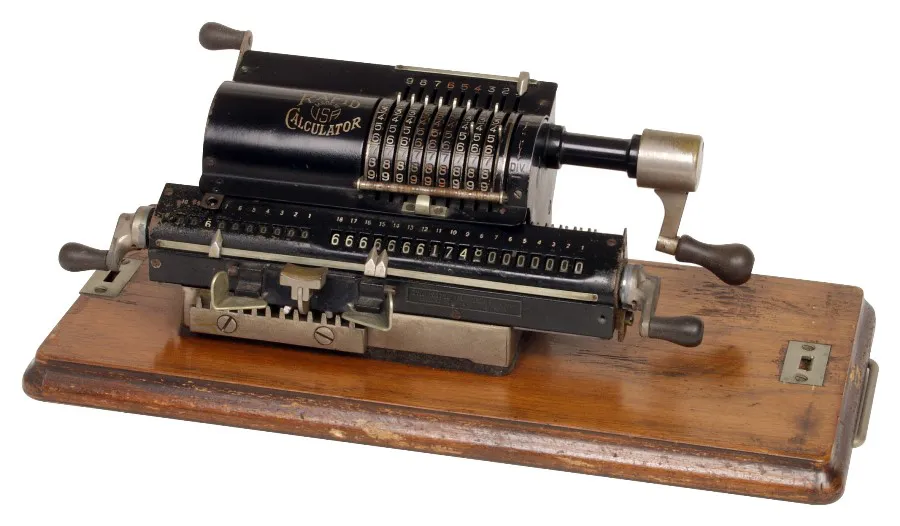
Rapid black calculator, circa 1900.
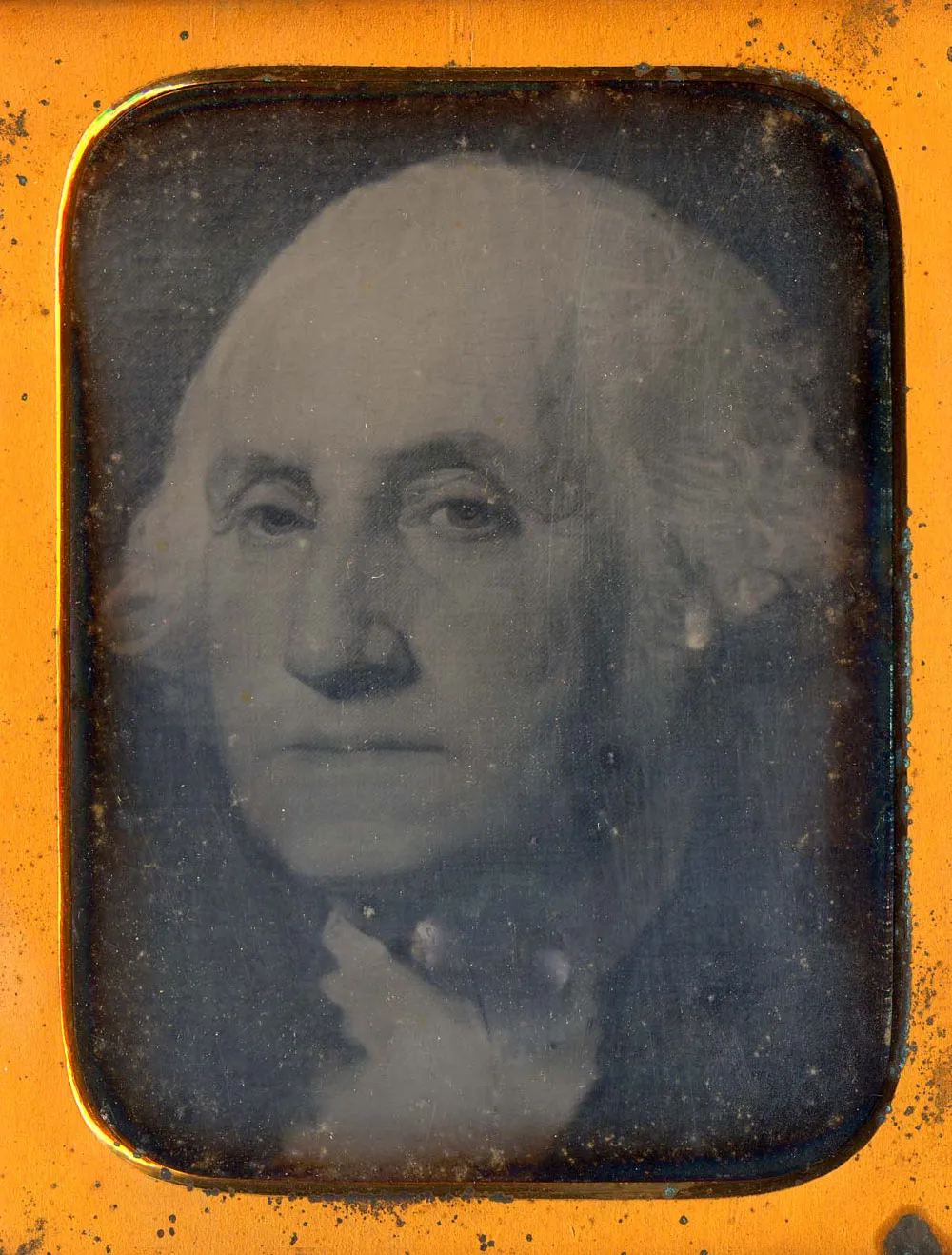
Daguerreotype of George Washington from the 1796 Gilbert Stuart portrait of Washington, which was attributed to Josiah Hawes of the photographic firm Southworth and Hawes. Notably, this was the portrait upon which the image on the dollar bill was based.